
DJI Neo Hits Record Low as New Drone Import Tariffs Take Effect
DJI Neo hits an all-time low of $139 — 30% off — just as new U.S. Section 232 drone tariffs of 25% take effect September 3, 2026.
Main Story
Seldom does a consumer drone reach its most accessible price point at precisely the moment its long-term affordability comes into question. That is the situation surrounding the DJI Neo heading into autumn 2026.
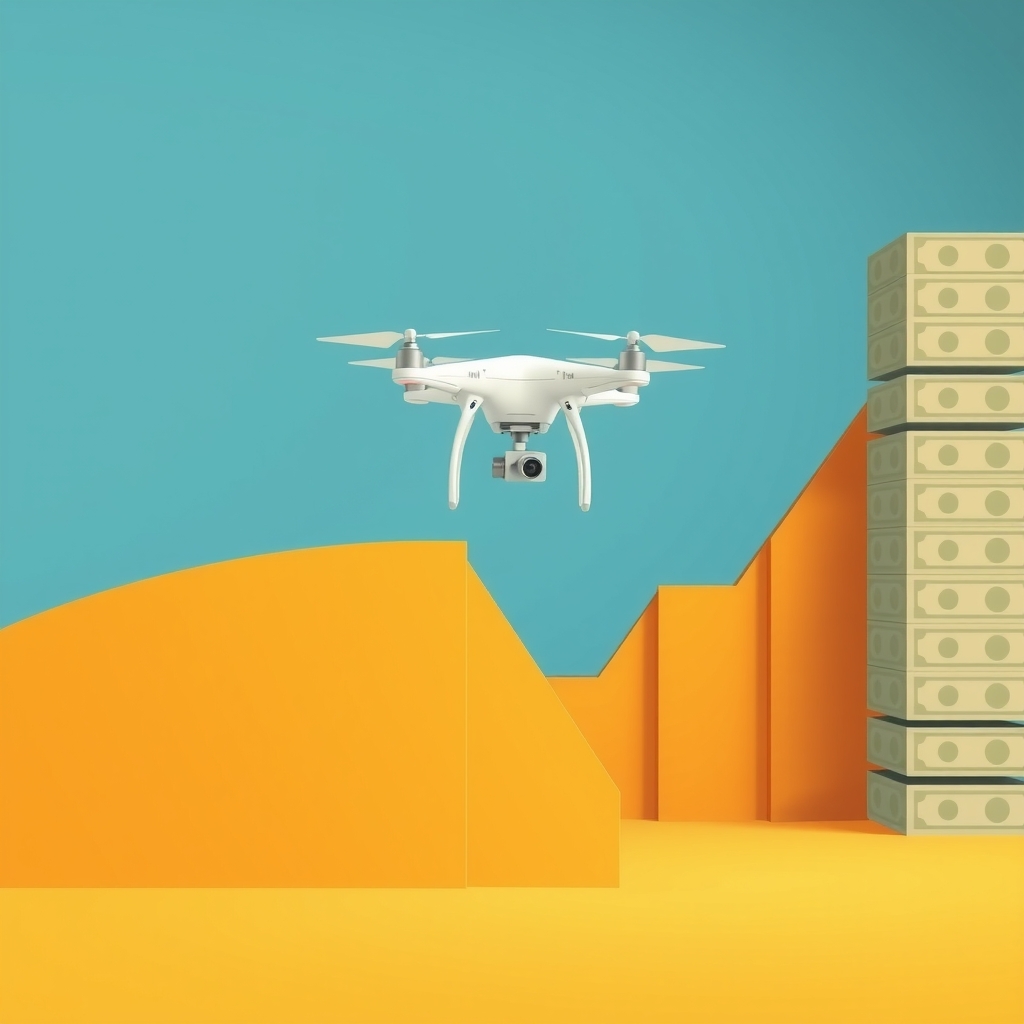
The DJI Neo — DJI's lightest and most compact production drone — has dropped to $139 on Amazon, representing a 30% discount from its $199 standard retail price and the lowest the model has ever been listed. Multiple independent price-tracking sources, including Gizmodo and Yahoo Tech, confirmed the $139 figure in the first days of September 2026, corroborating the DroneDJ report that flagged the confluence of the deal and the incoming tariff regime.
The timing is notable because new U.S. drone import duties, established under a Section 232 national security proclamation signed on August 13, 2026, took effect on September 3 — the same week the record-low price was widely reported. The Commerce Department's Section 232 investigation, which opened in July 2025, examined U.S. reliance on foreign-sourced unmanned aircraft systems and their components. The resulting tariff structure imposes a 25% ad valorem duty on imported drones weighing 25 kilograms or less — the category that covers virtually all consumer and prosumer quadcopters, including the DJI Neo. Heavier drones, thermal-imaging platforms, and docking stations face a 100% rate under the same proclamation. A second tranche, covering additional drone components, is scheduled for February 9, 2027.
For the DJI Neo specifically, the 25% rate applies. Retailers, distributors, and manufacturers will each face decisions about how much of that cost to absorb versus pass on to end customers — meaning the $139 price reflects pre-tariff inventory economics that are unlikely to persist indefinitely once that stock turns over.
The Neo has been on a steady price-decline trajectory throughout 2026. In February it hit $149 for the first time; by March, a coupon code brought it to $150; in late June, during Amazon Prime Day, it matched the current $139 floor. Each of those drops was flagged at the time as a new record low. The September figure ties the Prime Day price but carries fresh urgency given the changed import-cost environment.
In the broader "flying camera" segment — compact, controller-optional follow-me drones — the Neo competes primarily with Zero Zero Robotics' HoverAir line. DroneDJ has noted this category was effectively pioneered by Snap's short-lived Pixy drone before the segment was claimed by current commercial players. The Neo's sustained price erosion, even as tariff pressure builds, suggests DJI is prioritising volume and installed-base growth in a market window it may not be able to replicate once duty-adjusted pricing flows through retail channels.
Technical Breakdown
Platform / UAV class: Nano-class consumer quadcopter; controller-free "flying camera" / follow-me drone
Weight: 135 g — below the FAA's 250 g recreational registration threshold, eliminating the need for FAA registration or Remote ID for casual use in the United States
Camera / imaging: 4K UHD video at up to 30 fps, 75 Mbps; 12 MP stills (JPEG only; no RAW/DNG); 3-axis electronic stabilisation via RockSteady and HorizonBalancing
Autonomy / tracking: AI subject tracking (ActiveTrack), QuickShots automated flight modes (Orbit, Helix, Boomerang, Dronie), gesture and voice control; palm takeoff and landing; no traditional remote controller required for basic operation
Propulsion / airframe: Four-rotor configuration with full-coverage integrated propeller guards standard; rated to Beaufort Scale level 4 winds
Endurance: Approximately 18 minutes per battery (approximately 17 minutes with propeller guards installed)
Range: Up to 7 km video transmission (FCC environment) via DJI's O4 system when used with a compatible remote
Storage: 22 GB internal flash; no microSD expansion slot
Regulatory status: Does not require FAA registration or Remote ID for recreational use in the U.S. at 135 g
Industry Impact
For operators and buyers: The $139 price represents the steepest discount the Neo has seen since launch and a genuine inflection point for entry-level aerial imaging. Once pre-tariff retail inventory turns over, the 25% Section 232 duty will apply to replacement stock imported into the U.S., with the actual shelf-price impact depending on how much cost manufacturers, distributors, and retailers each absorb. The window to purchase at current pricing is finite and shrinking.
For DJI's market position: DJI already faces structural access restrictions in the U.S. market that prevent new model introductions. The price compression on existing authorised models like the Neo can be read as an inventory-optimisation strategy — maximising sell-through of currently available stock before the tariff-adjusted cost floor rises. The Neo was named to TIME magazine's annual best inventions list, underlining the brand equity DJI has built even under constrained U.S. market access.
For domestic manufacturers: The Section 232 framework is explicitly structured to incentivise U.S. drone manufacturing, including an onshoring relief programme that allows companies committing to domestic production to apply for temporary import duty relief on components needed during facility construction. Companies on the DoD Blue UAS Cleared List — including Skydio, AeroVironment, Unusual Machines, Red Cat, and Kratos — are structurally positioned as the principal domestic beneficiaries as import-cost parity shifts.
For the "flying camera" segment: With the 25% tariff applying equally to competitor products such as Zero Zero Robotics' HoverAir drones, the pricing dynamics across the controller-free follow-me category will shift in parallel. Any brand sourcing from outside the U.S. faces the same cost headwind; the competitive structure within the segment is unlikely to change dramatically, but the overall category price floor will rise once pre-tariff stock clears.
For component supply chains: A separate 25% tariff on drone components is set to follow on February 9, 2027, extending cost pressure beyond finished goods into the repair, maintenance, and accessory ecosystem — an important consideration for commercial operators managing fleet economics over multi-year horizons.