
Ukraine's SBU Films First Jet Shahed Kill, Won't Name the Interceptor
Ukraine's SBU releases first video of a drone interceptor killing a jet-powered Geran-5, while Kyiv withholds the maker amid a 67-company development
Main Story
On September 19, 2026, Ukraine's Security Service (SBU) released footage confirming what Kyiv's drone engineers have been working toward for months: the first documented interception of a jet-powered Russian Geran-5 strike drone by a Ukrainian interceptor UAV. President Zelensky published the video to his Telegram channel following a briefing from acting SBU head Oleksandr Poklad, and the SBU confirmed to Interfax-Ukraine that it is the first footage of a jet-powered Shahed-class drone being destroyed in flight.
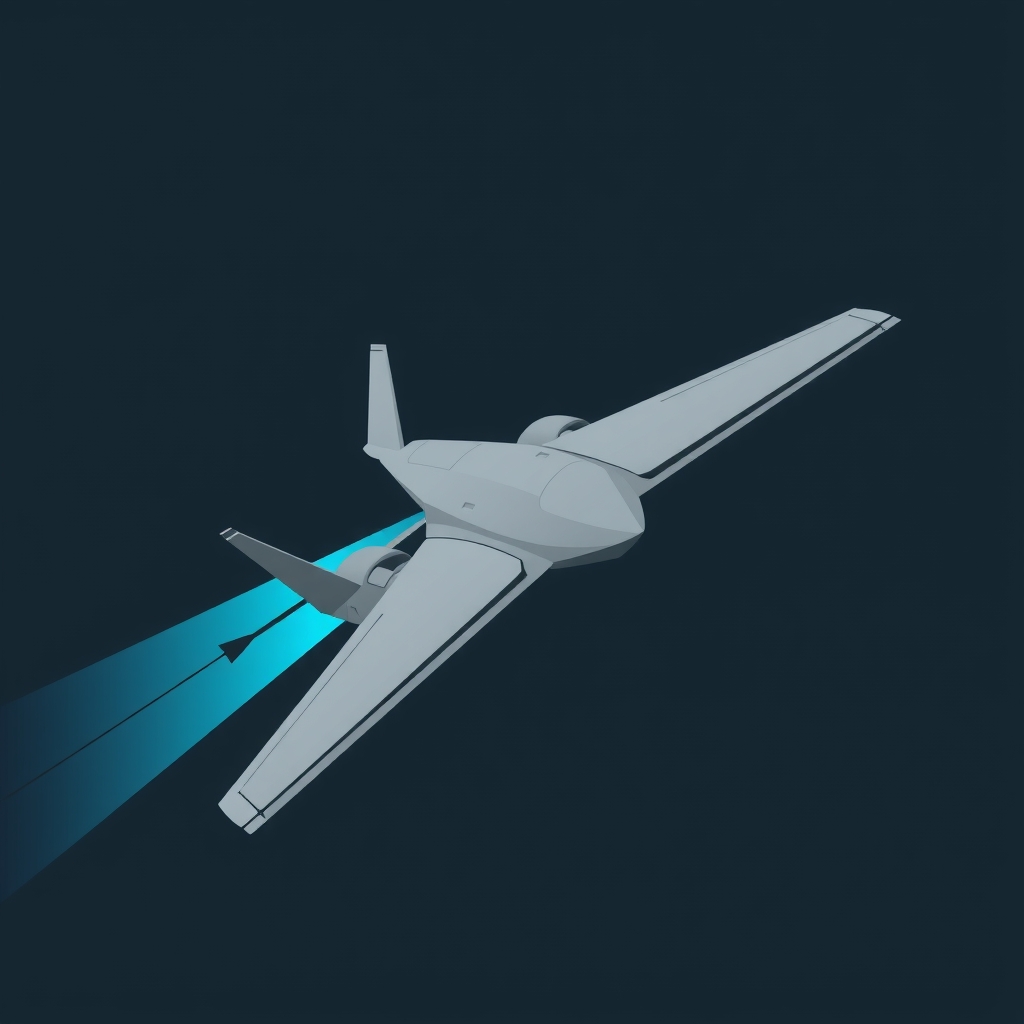
The clip shows a gray delta-wing interceptor on a rail launcher in an open field, followed by the destruction of the target drone. The SBU credited the kill to its military counterintelligence directorate, which coordinated development. Zelensky confirmed the system has already been used in active operations, but Kyiv has disclosed nothing about the manufacturer, unit cost, or total engagement count — an information posture the president described as deliberate at the Carpathian Eight summit the day before, on September 18.
At that summit, Zelensky stated that two companies had successfully completed combat tests against jet-powered Shaheds, and that 67 companies in Ukraine are currently working on interceptor solutions for the high-speed threat class. He indicated that contracts are already being signed, but that funding constraints are the principal bottleneck to scaling production.
The timing is significant. The Geran-5 entered combat use against Ukraine in January 2026, and Russia publicly displayed the type during Victory Day commemorations in May 2026, confirming its designation. By mid-2026, Ukrainian defence intelligence reported the Geran-5 and its sibling, the Geran-4, in serial production, with Russia reportedly targeting a combined monthly output of around 2,000 units of both variants. The day after the first SBU kill video was published, the SBU released footage of a second Geran-5 intercept, suggesting the system is operationally active rather than a single proof-of-concept engagement.
The race has been building for over a year. Propeller-driven interceptors such as the Wild Hornets Sting established the basic concept — a low-cost drone-on-drone engagement model — against slower Geran-2 variants. Russia's introduction of turbojet-powered variants systematically pushed speeds beyond what those platforms could match, forcing Ukrainian engineers to develop an entirely new performance bracket.
Technical Breakdown
Target platform — Geran-5
- UAV class: Jet-powered one-way attack drone (loitering munition / cruise-missile-configuration OWA-UAV)
- Weight: Approximately 850 kg launch weight
- Dimensions: Approximately 6 m long, 5.5 m wingspan; cruise-missile-like fuselage rather than the delta planform of the Geran-2
- Propulsion: TELEFLY TF-TJ2000A turbojet engine (Chinese-origin)
- Maximum speed: Up to 600 km/h (373 mph); cruising speed approximately 450 km/h
- Endurance / range: Approximately 2 hours airborne; declared strike range approximately 1,000 km
- Altitude: Up to 6,000 m operational ceiling; combat use recorded at lower altitudes
- Warhead: Approximately 90 kg integral high-explosive warhead
- Guidance: Satellite navigation combined with 3G/4G modem datalink; recovered wreckage has contained commercial electronics
- Launch: Ground-launched with solid-fuel booster; also reportedly air-launchable from a Su-25
- Design lineage: Derived from the Iranian Karrar design; retains internal component commonality with the Geran-2 produced at Russia's Alabuga industrial zone in Tatarstan
- Propulsion evolution: Russia has modified the Geran-5's engine mounting, relocating the turbojet from an external nacelle to an internal fuselage compartment, a change analysts at Militarnyi assess as improving speed, range, and thermal signature management
Interceptor (SBU system — identity withheld by Kyiv)
- UAV class: High-speed counter-UAV interceptor
- Airframe: Gray delta-wing configuration, rail-launched from a field launcher
- Identity / cost / kill count: [Unconfirmed: Kyiv has not publicly named the developer, disclosed a unit price, or published total engagement statistics]
- Autonomy level: Not publicly disclosed
- Broader interceptor ecosystem: Four interceptor models are currently under active front-line evaluation by the Ukrainian Armed Forces; approximately ten more manufacturers are testing prototypes ahead of military codification
Speed gap — the core engineering problem Earlier propeller-driven interceptors such as the Sting operate at speeds up to approximately 280 km/h. The Geran-4 and Geran-5, flying at 400–600 km/h at altitudes of several kilometres, place jet-powered targets above the engagement envelope of mobile gun teams and beyond the kinematic reach of first-generation drone interceptors. The SBU video is the first public evidence that Ukraine has closed that gap in an operational setting.
Industry Impact
For Ukrainian drone manufacturers: The confirmation that two companies have passed combat trials and that contracts are being signed signals the start of a procurement pathway that 67 competitors are vying to enter. The bottleneck is not technology readiness but production financing — Zelensky explicitly flagged a funding shortfall as the barrier to scaling. Companies that can demonstrate low unit cost alongside verified kill performance are best positioned for volume contracts.
For the broader interceptor market: Ukraine's drone-on-drone interception model — built around low-cost expendable platforms rather than traditional surface-to-air missiles — is being closely watched internationally. Romania and Poland have already fielded the Greek-developed Merops interceptor, and British-Ukrainian firm Firebolt Engineering announced the first confirmed combat interception using its Griffen jet-powered interceptor earlier in 2026. Ukraine's SkyFall separately unveiled the P1-SUN Jetkiller in July 2026, specifically targeting the high-speed Shahed threat bracket. The SBU kill video validates the concept at the system level and is likely to accelerate procurement conversations across NATO-aligned operators.
For operators and integrators: The rail-launch configuration shown in the SBU footage enables rapid field deployment without fixed infrastructure. If that design approach proves scalable, it lowers the logistics burden for front-line air-defence units that currently lack access to traditional missile batteries.
For regulators and standards bodies: The conflict-driven iteration cycle in Ukraine is producing combat-validated performance data at a pace that peacetime certification frameworks cannot match. Interceptor developers seeking export markets will eventually need to reconcile operationally proven specifications with formal airworthiness and counter-UAS certification pathways in regulated airspace — a gap no current standards body has yet closed.
For investors: The deliberate opacity around the winning interceptor's identity creates an information asymmetry in the market. Investors tracking Ukraine's drone sector cannot yet identify which of the 67 competing companies hold the two validated contracts, making broad-basket exposure to Ukrainian defence-tech the most practical near-term position until Kyiv chooses to disclose further.