

FLYNN: When a Fruit Fly's Brain Teaches Robots to Navigate Blind
AI & Autonomy

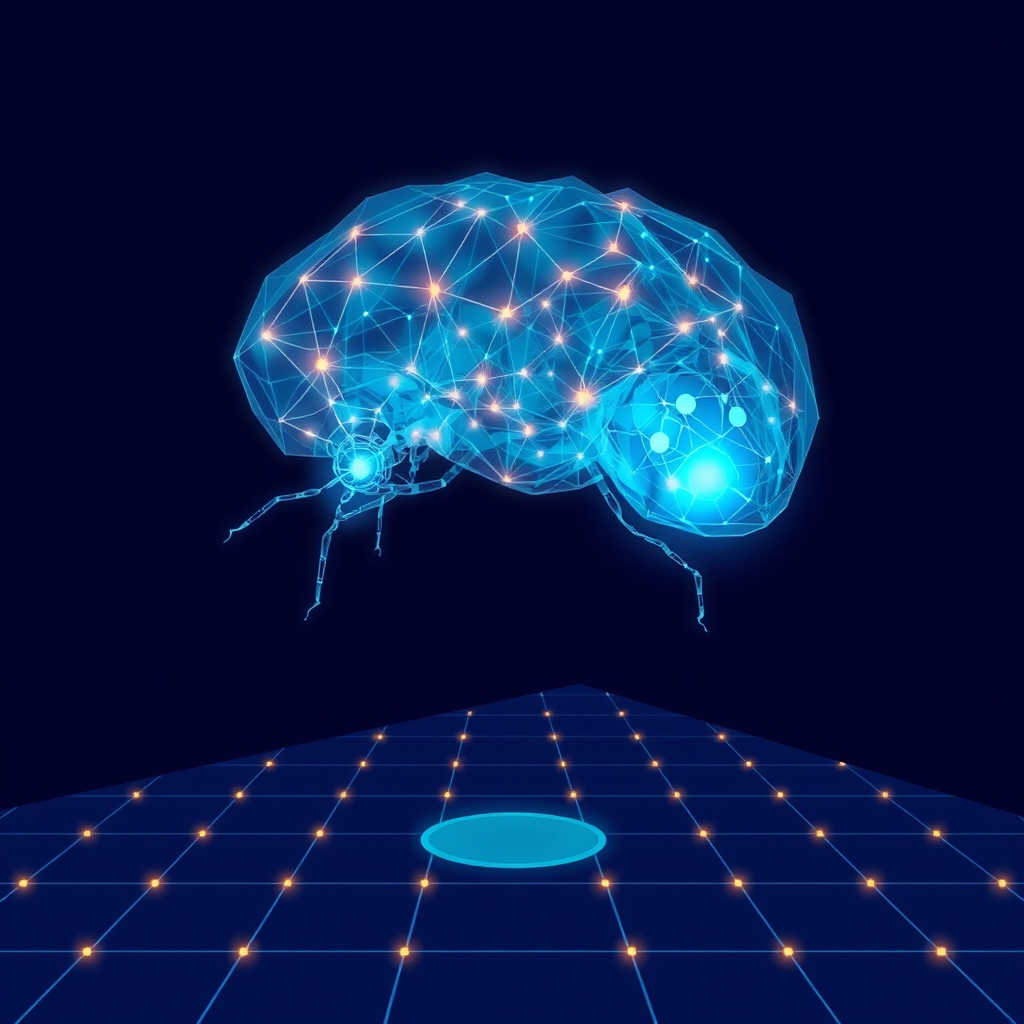
FLYNN: When a Fruit Fly's Brain Teaches Robots to Navigate Blind

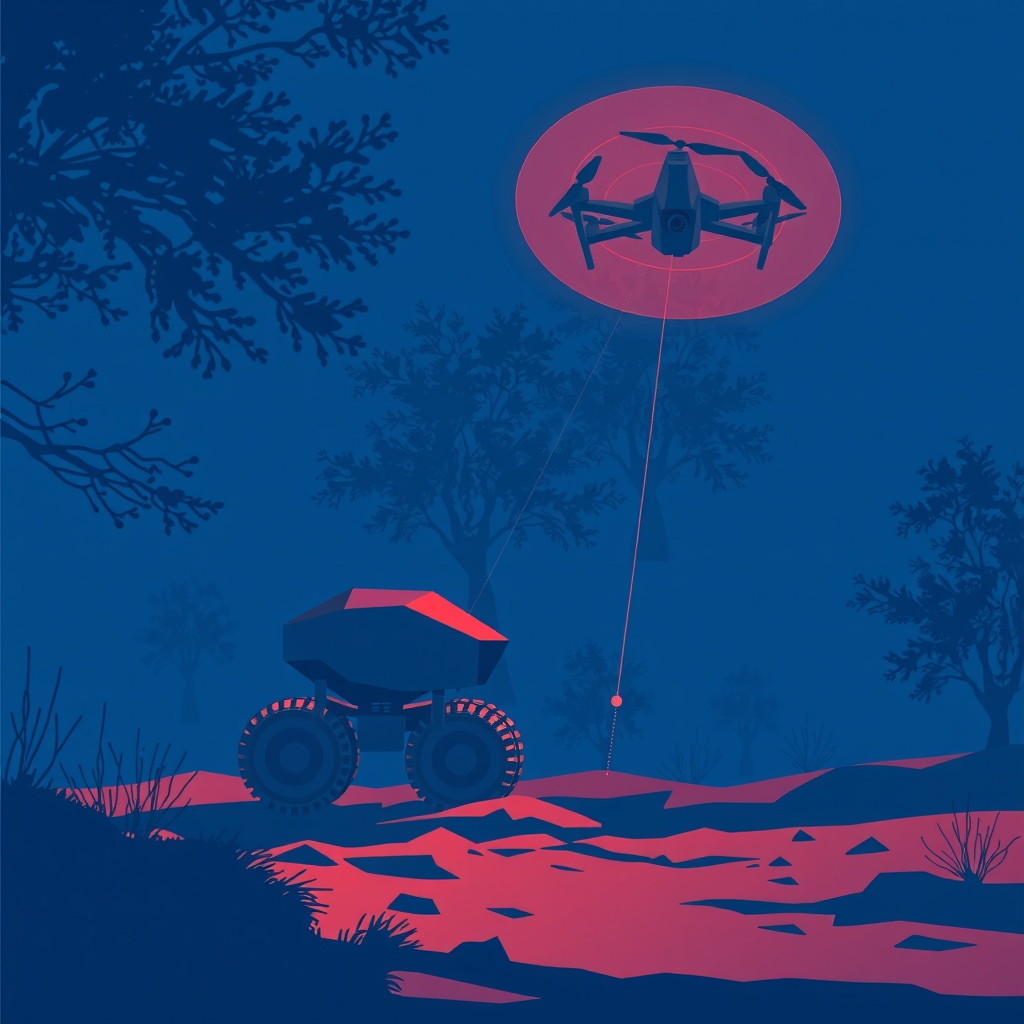
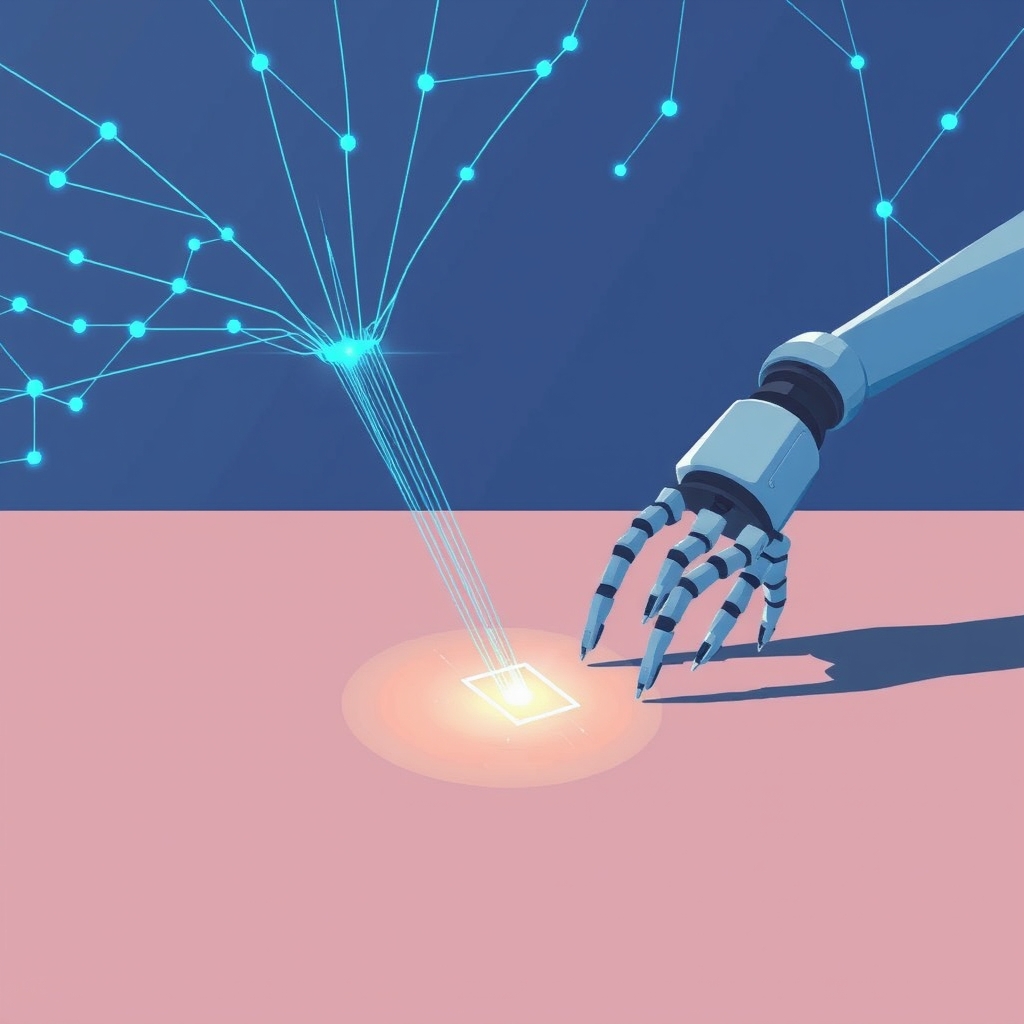
Researchers have trained a recurrent neural network whose architecture is directly wired from the synaptic-resolution connectome of the fruit fly Drosophila melanogaster to perform vision-based robot navigation. FLYNN outperforms conventional hand-crafted networks on out-of-distribution scenarios and keeps functioning even under total camera blackout — without any retraining.

By UAVHelpline Editorial · 5 min read
GPAC: How Implicit Coordination Could Unlock Truly Scalable Multi-Drone Cargo Lifts
2026-07-03

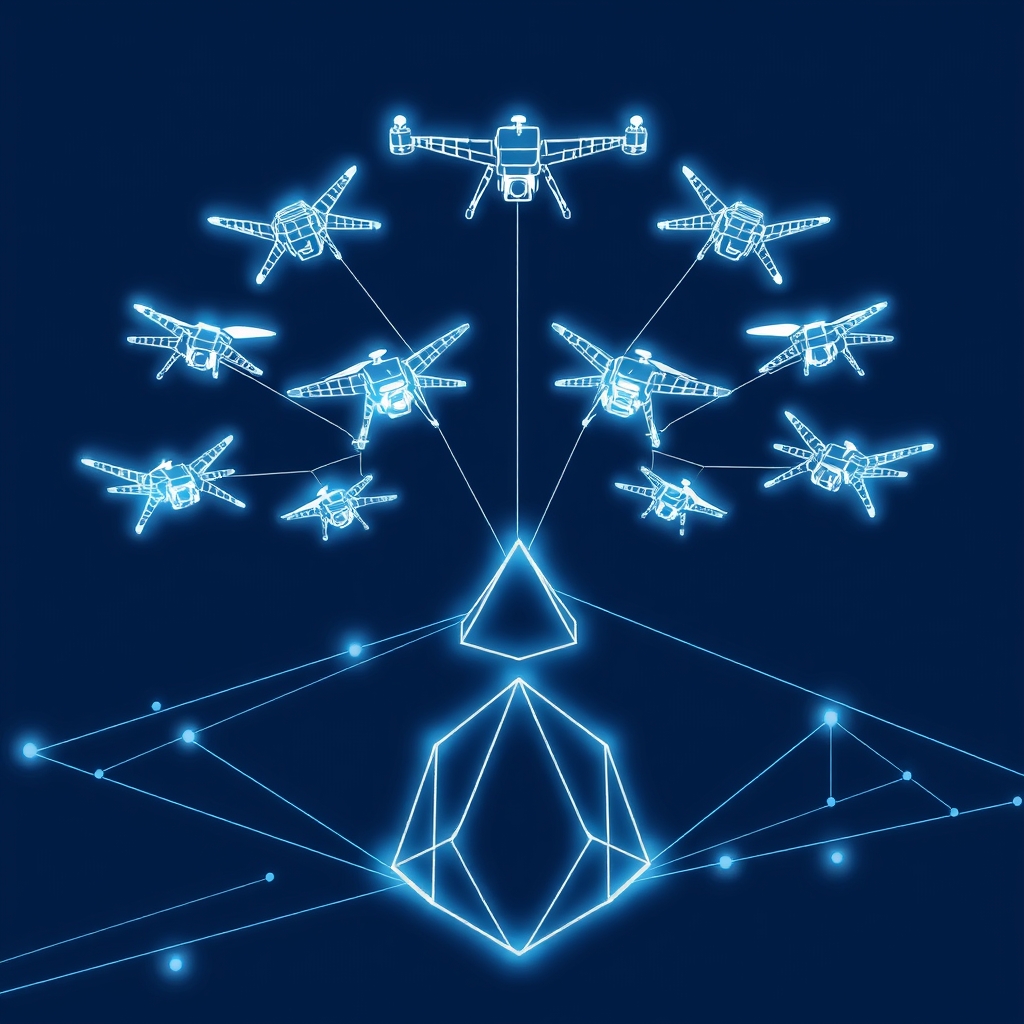
GPAC: How Implicit Coordination Could Unlock Truly Scalable Multi-Drone Cargo Lifts

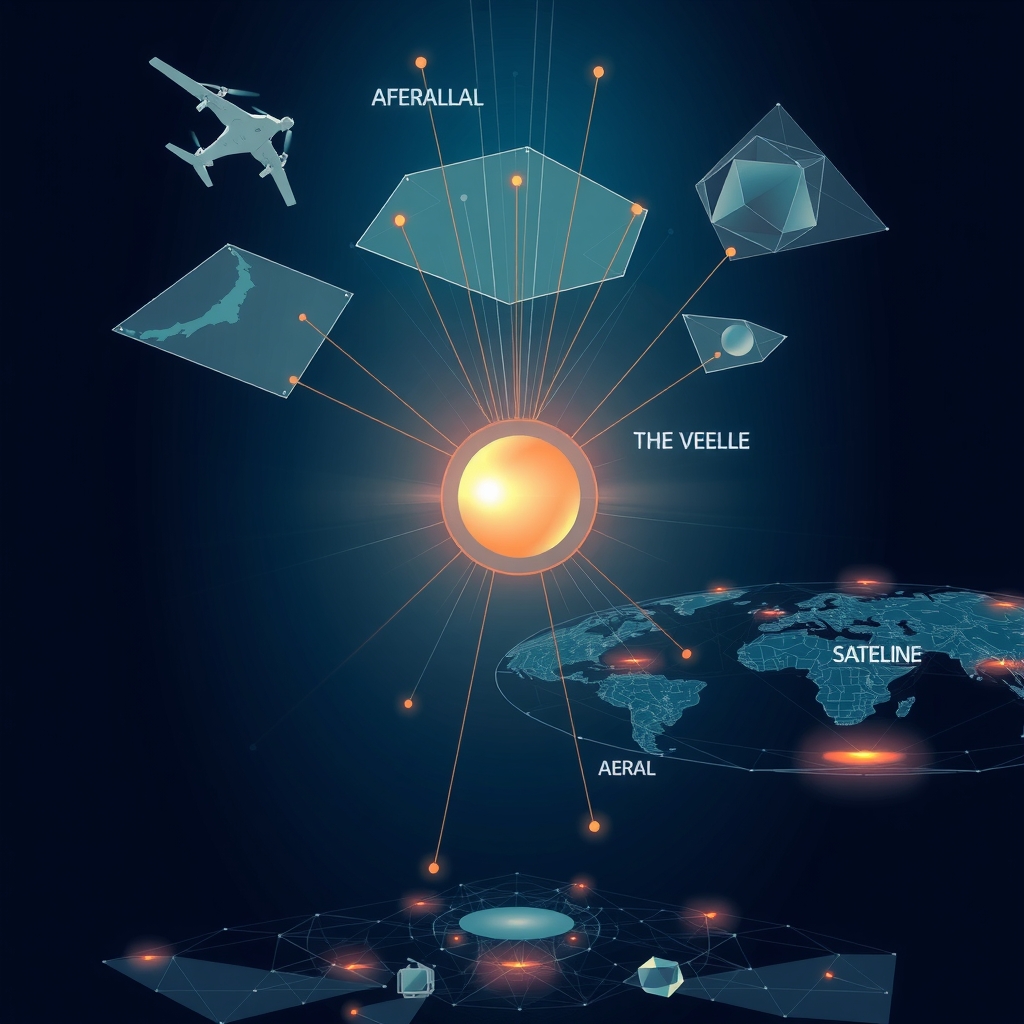
Researchers have published GPAC, a four-layer hierarchical control architecture that allows an arbitrary number of quadrotors to cooperatively transport a cable-suspended payload without any central coordinator, shared payload mass data, or inter-agent cable-state exchange. High-fidelity simulation across 13 randomised trials yielded a mean payload-tracking error of just 33.8 cm, with all control and estimation loops closed through onboard sensors alone.

By UAVHelpline Editorial

Learning to Throw: How a Hybrid RL Framework Teaches Quadrotors to Fling Cable-Suspended Payloads with Precision
2026-07-01

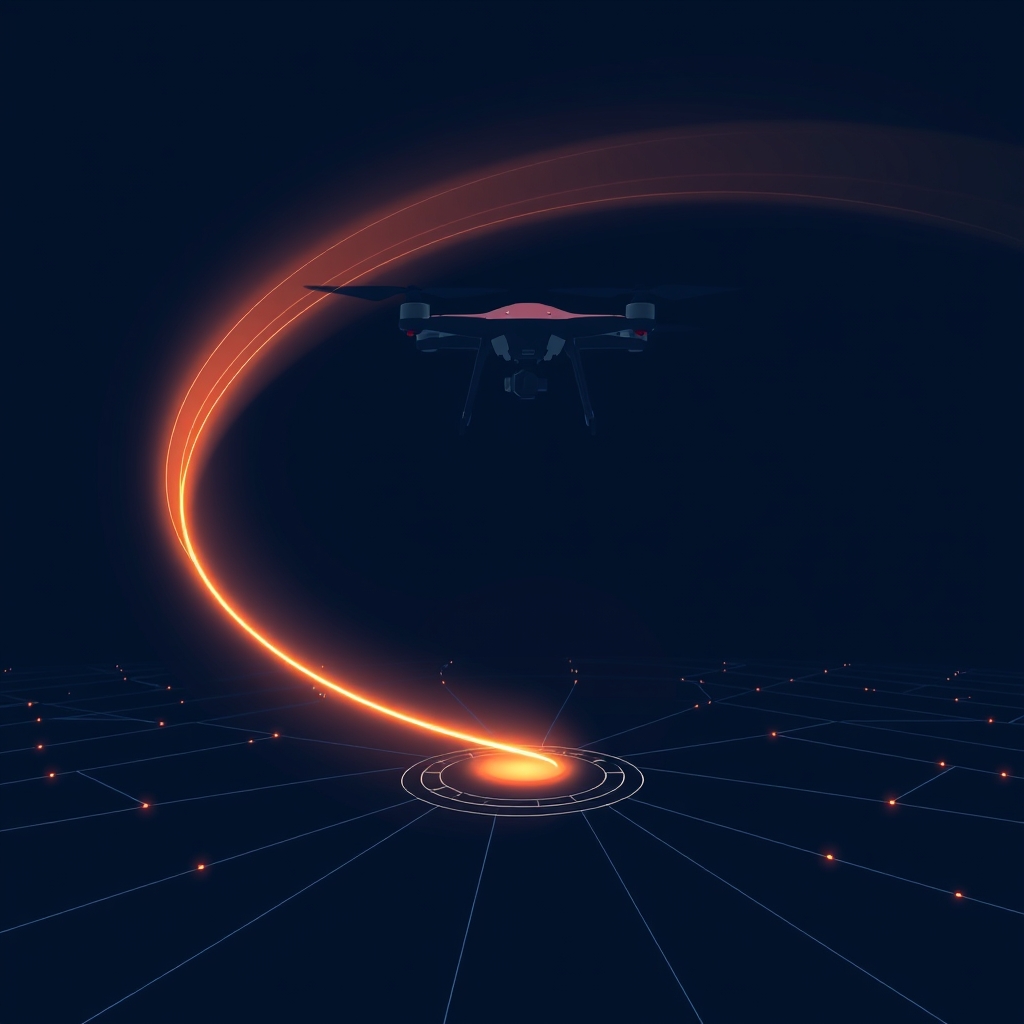
Learning to Throw: How a Hybrid RL Framework Teaches Quadrotors to Fling Cable-Suspended Payloads with Precision

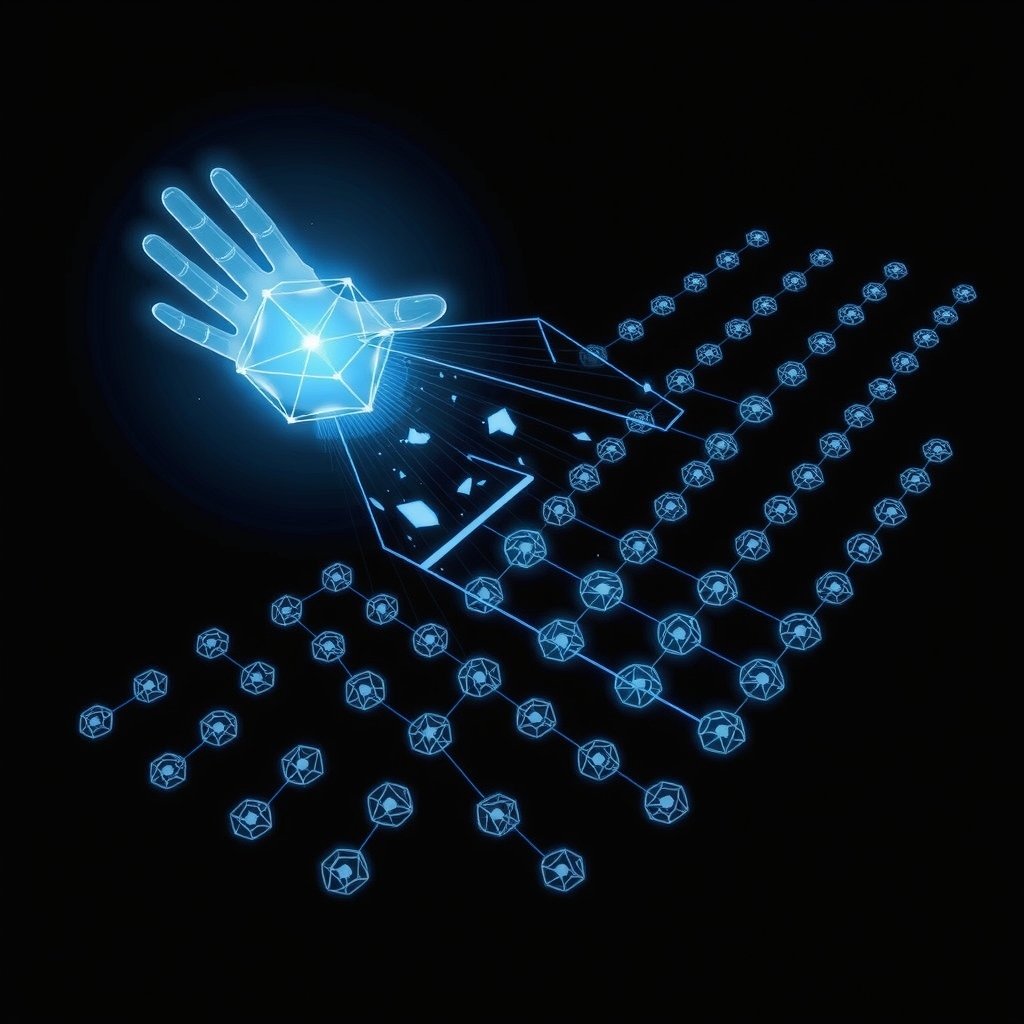
Researchers have trained a deep reinforcement learning policy that enables a quadrotor to accurately throw a cable-suspended payload to a designated target, cutting landing error by up to 50% and throw duration by up to 30% versus model-based baselines. The policy transfers zero-shot from simulation to real hardware, and a companion vision-driven variant matches the accuracy of the state-based version.

By UAVHelpline Editorial